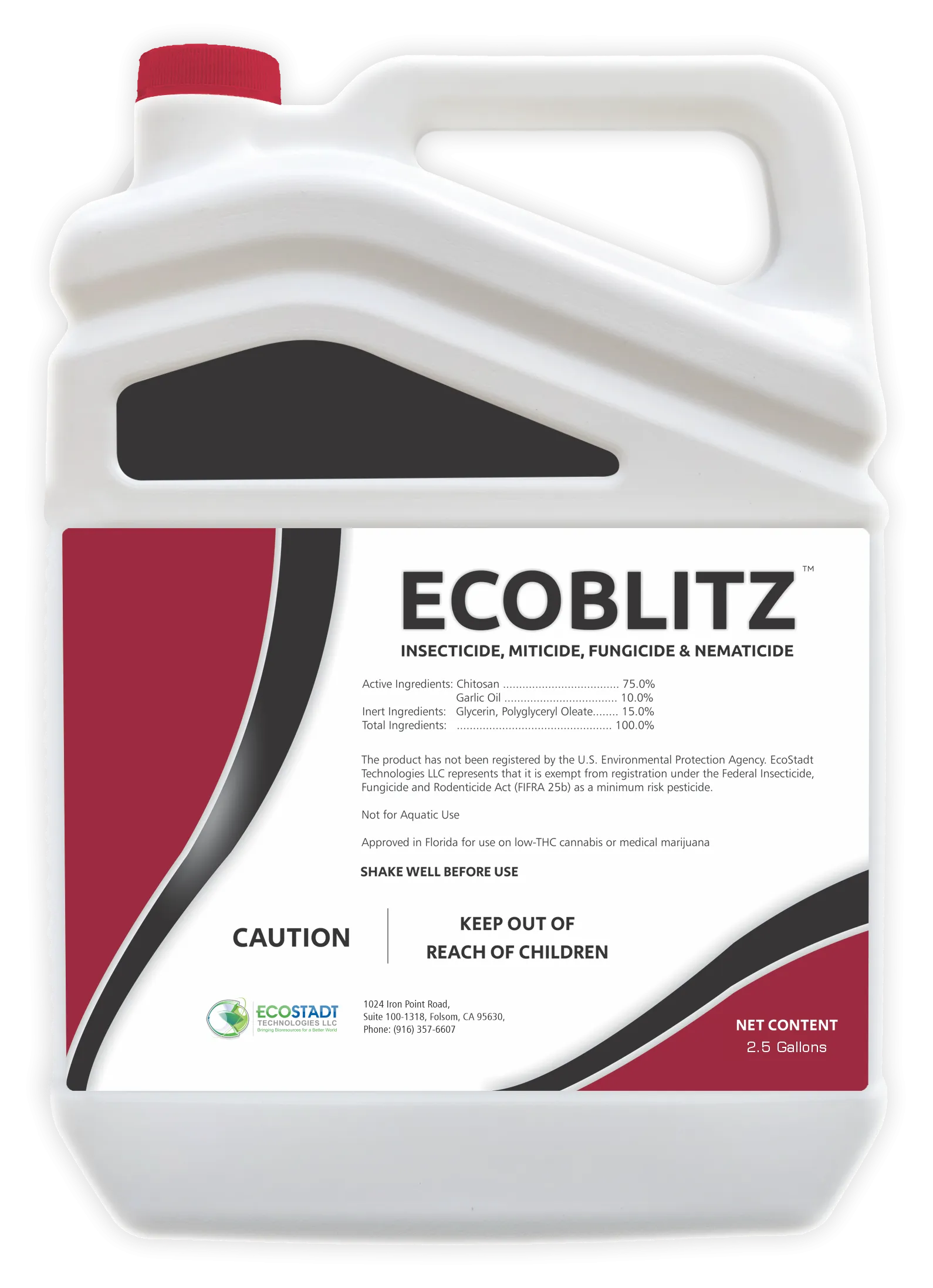
EcoBlitz™
Botanical Insecticide, Miticide & Fungicide
- Formulation Synergy: Combines the oxidative power of Garlic Oil with the membrane-disrupting capabilities of Poly-D Glucosamine (Chitosan).
- Oxidative Stress: Diallyl sulfides in garlic oil induce oxidative stress in pests, acting as a potent contact toxicant and repellent.
- Fungal Disruption: Chitosan enhances the physical disruption of fungal cell membranes while garlic oil compounds inhibit further spore development.



- Enhanced Residual Formulation: Contains 10% Garlic oil with diallyl sulfides as the primary bioactive compounds, combined with Chitosan in a nano-bioencapsulation formulation for extended residual activity.
- Multi-Site Action: Controls pests through oxidative stress, repellency, and antifeedancy while physically permeabilizing fungal membranes.
- Works through multiple modes of action: oxidative stress induction, contact toxicity, repellency, antifeedancy, and fungal membrane permeabilization.
- Nematicidal Activity: Controls plant-parasitic nematodes through contact, feeding suppression, and reproductive disruption.
- Harvest Ready: Exempt from residue tolerance with a 0-Day PHI, making it ideal for late-season applications.
- IPM Partner: An ideal tank-mix partner for biologicals and conventional products; apply prior to biocontrol agent release for synergistic management.
*Regulatory Status – FIFRA 25b Minimum Risk Pesticide.

Use Recommendations
General use rate: 1-3 Qts. / Acre.

USE METHOD
Foliar, Chemigation & Aerial

ACTIVE INGREDIENT
Garlic Oil & Poly-D Glucosamine (Chitosan).
Recommended Use Crops
- Leafy vegetables,
- Fruiting vegetables,
- Berries,
- Citrus,
- Pome,
- Stone fruits,
- Cucurbits, etc.
Controls following Pests & Diseases
- Worms,
- Whiteflies,
- Aphids,
- Scales,
- Mealy bugs,
- Thrips,
- Psyllids,
- Leafhoppers,
- Mites,
- Nematodes,
- Powdery mildew
& Downey mildew, - Botrytis,
- Anthracnose, etc.
- LABEL Download
- SDS Download
- PRODUCT TECHNICAL SHEET Contact Us
Related Products
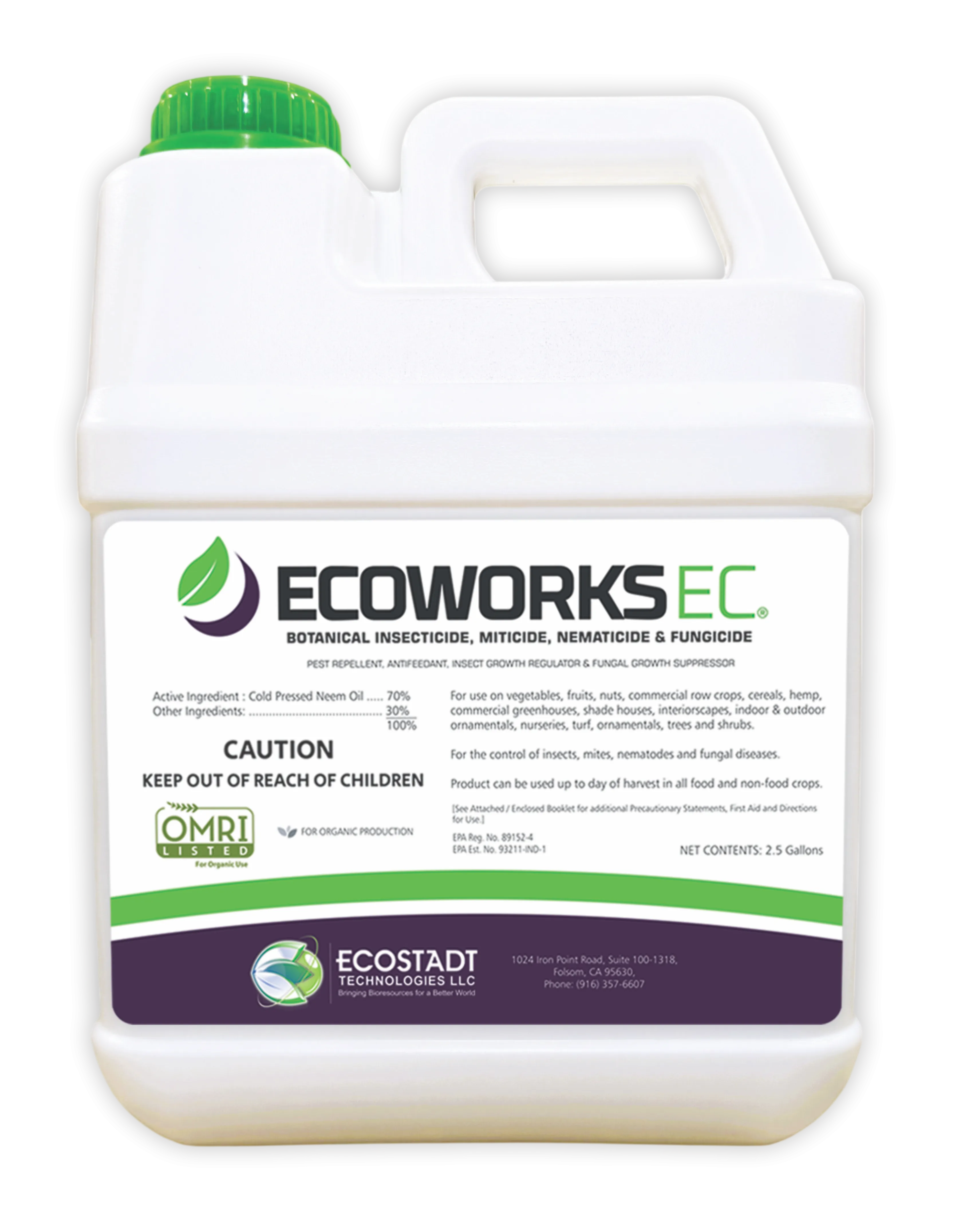
EcoWorks EC®
Botanical Insecticide, Miticide, Nematicide & Fungicide
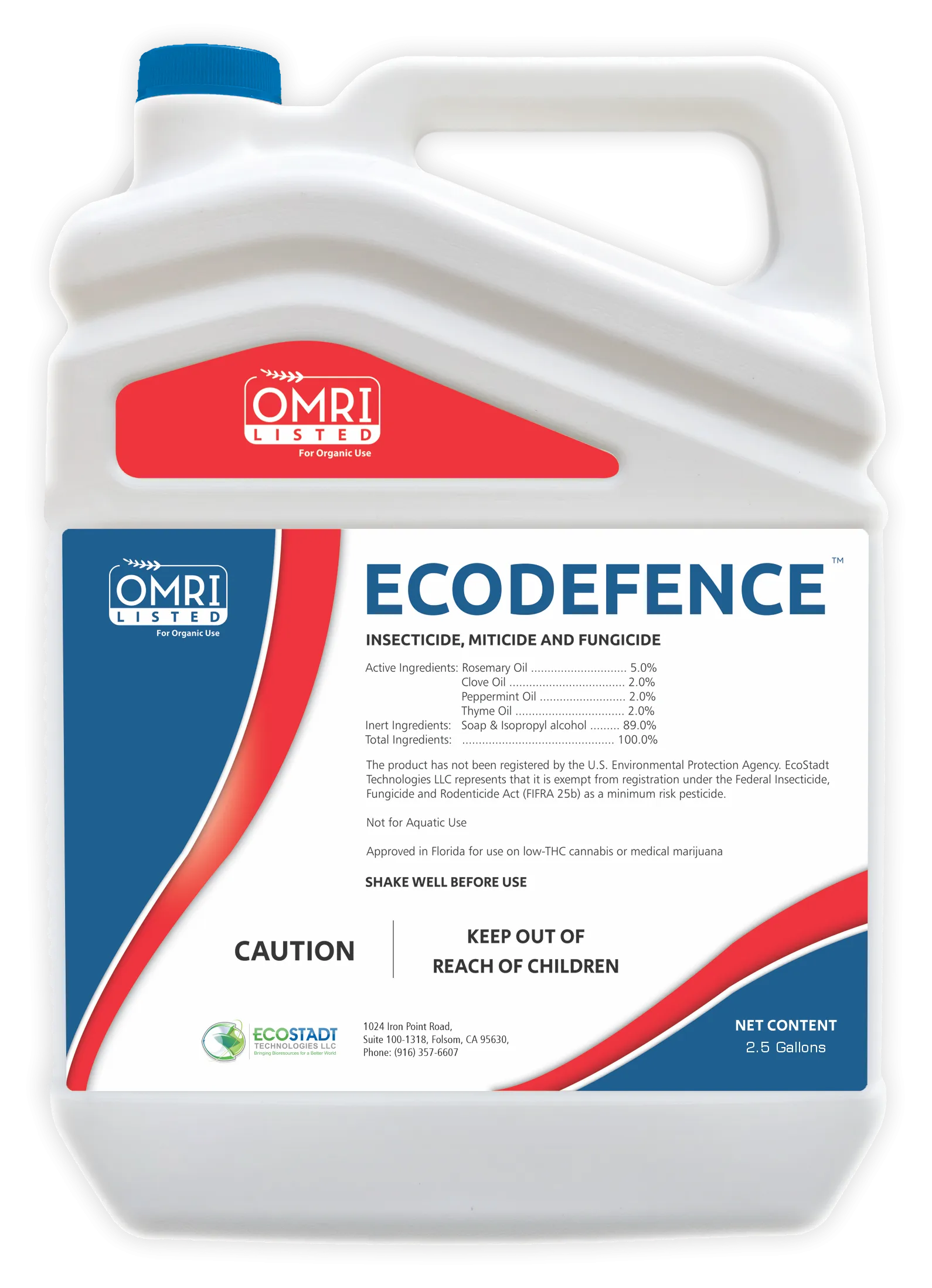
EcoDefence™
Botanical Insecticide, Miticide & Fungicide
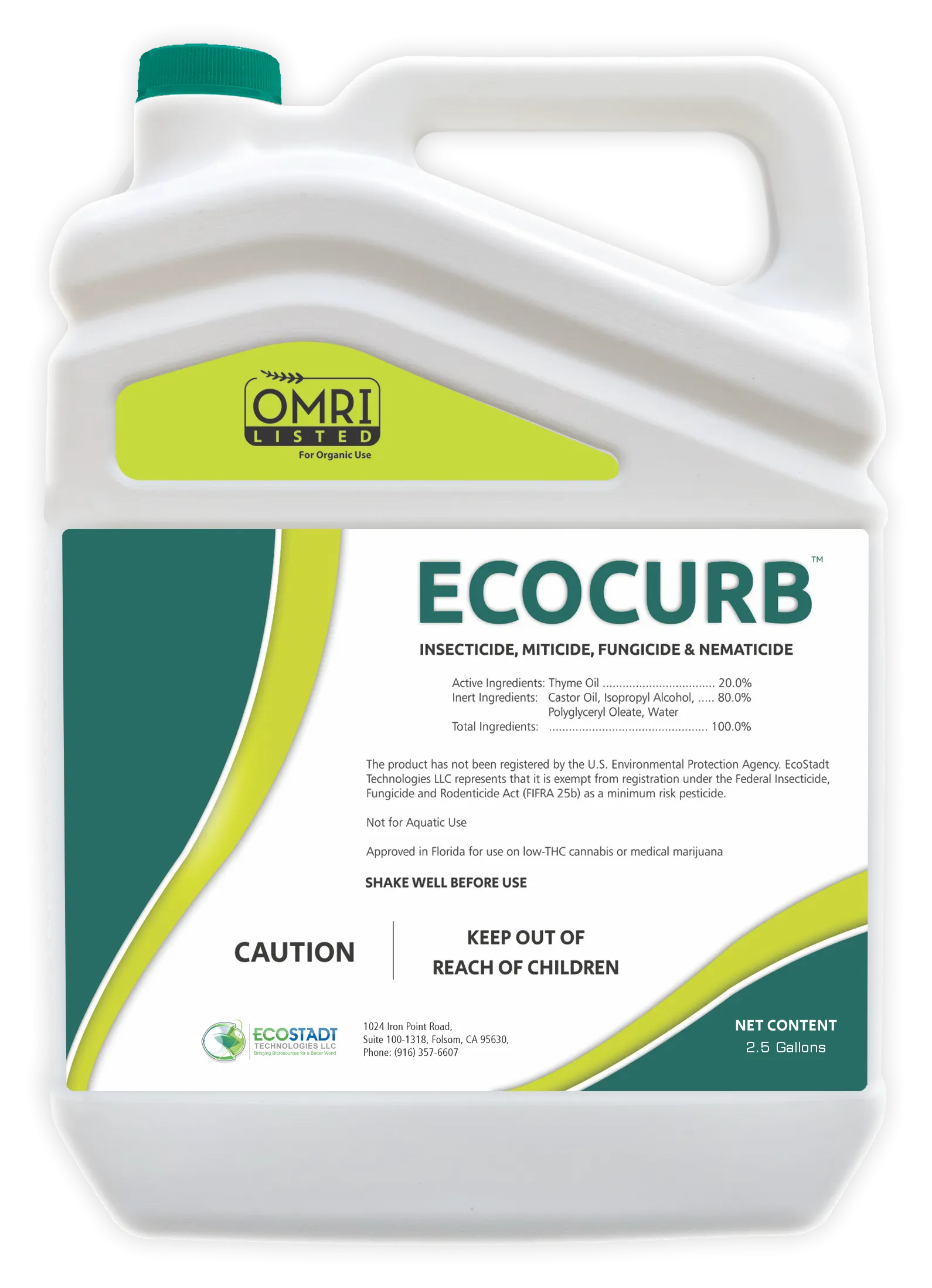
EcoCurb™
Botanical Insecticide, Miticide, Fungicide & Nematicide
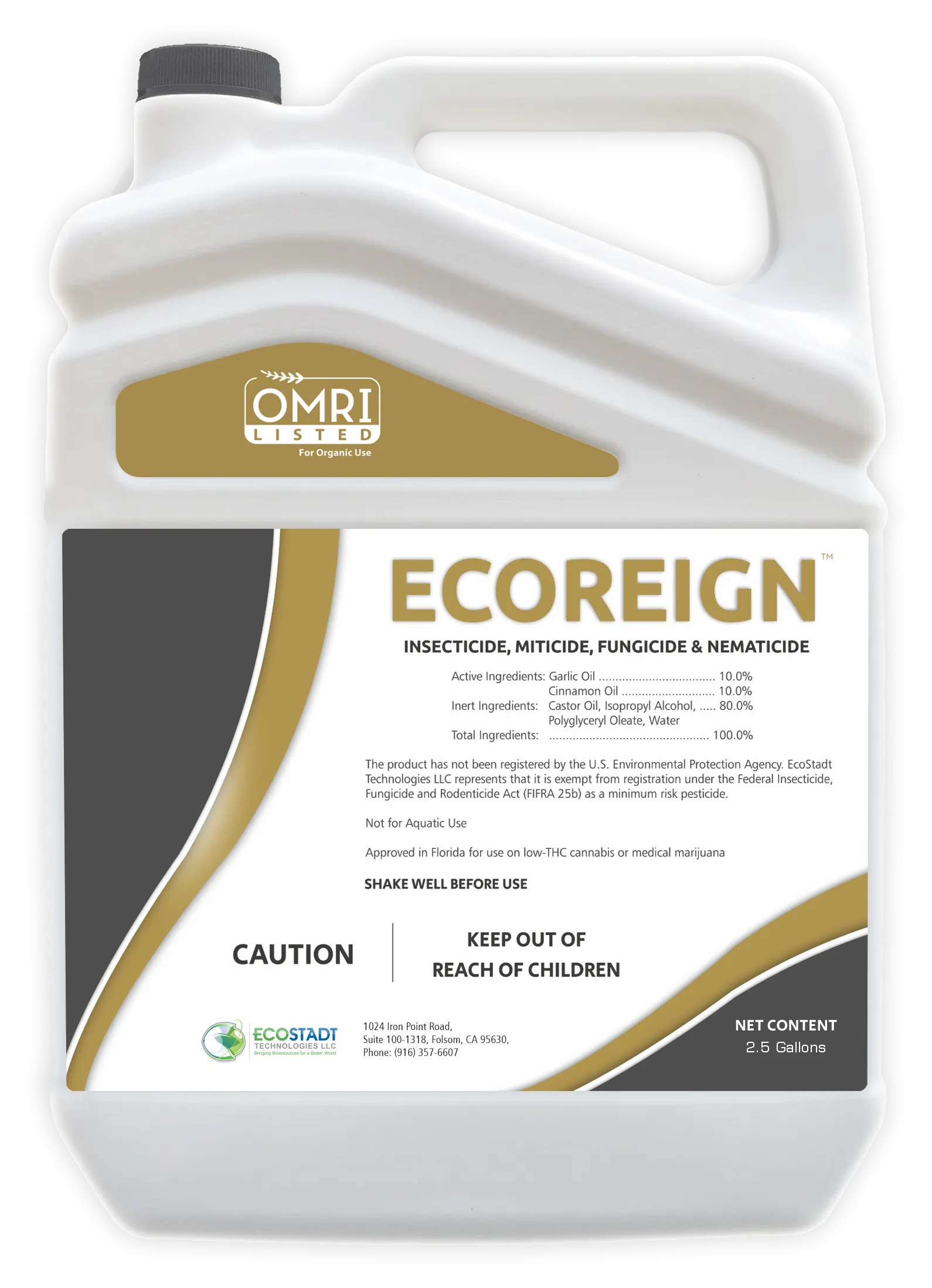
EcoReign™
Botanical Insecticide, Miticide, Fungicide & Nematicide
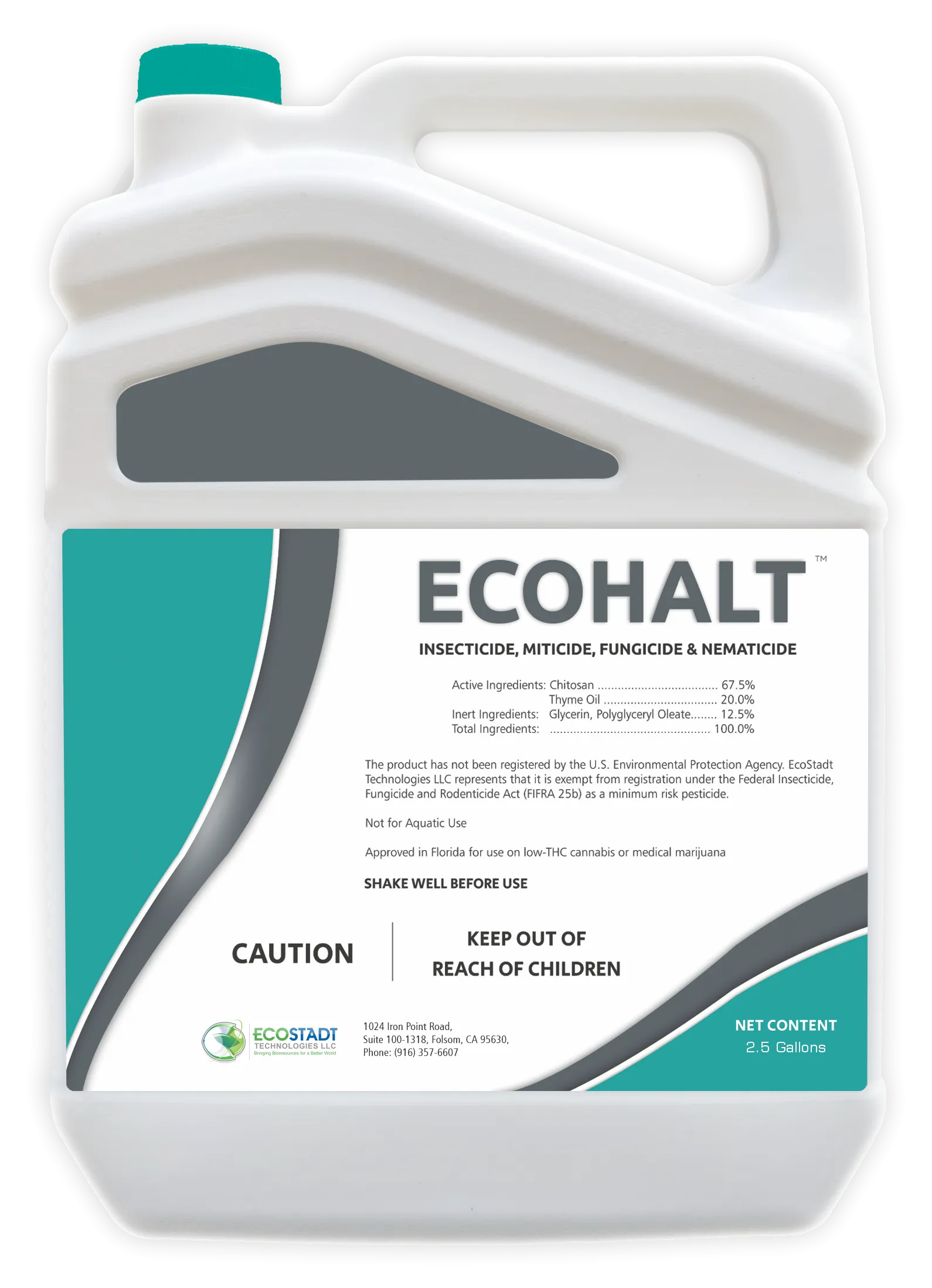
EcoHalt™
Botanical Insecticide, Miticide, Fungicide & Nematicide
EcoBlitz™
Botanical Insecticide, Miticide & Fungicide